
✨ AI's Quick Restaurant Take
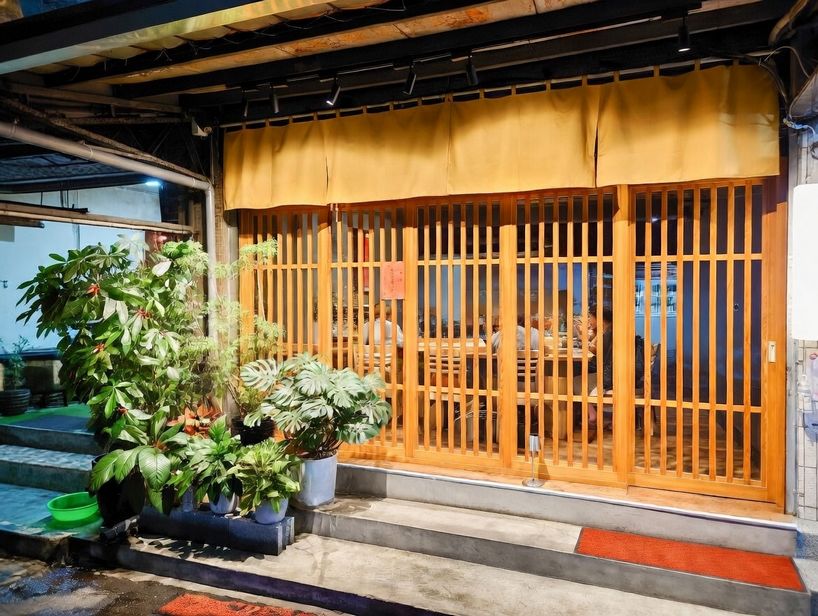
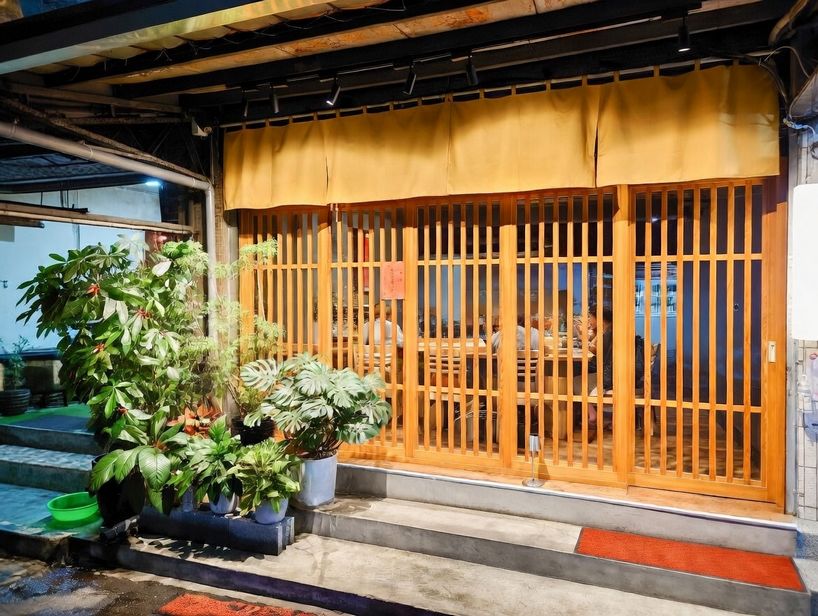
Tucked into a residential lane near 湖光市場, 仁壽司 (Ren Sushi) is a small counter-style omakase restaurant that mainly takes reservations. The chef sets the pace around the day's ingredients, moving from the fresh, light flavors of raw sakura shrimp, red sea bream, tuna, and scallops to the richness of flounder fin meat, steamed egg custard, grilled prawn, and the Sea Urchin Rice Bowl, then finishing with miso soup. There is no extravagant performance. The point is how steadily the ingredients and courses connect, so you can comfortably leave the meal in the chef's hands.
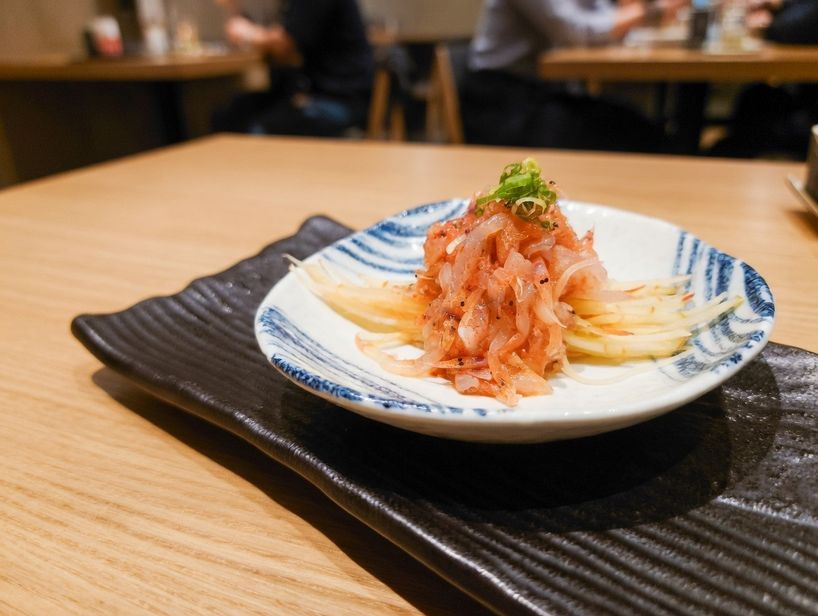
● Fresh Donggang Sakura Shrimp
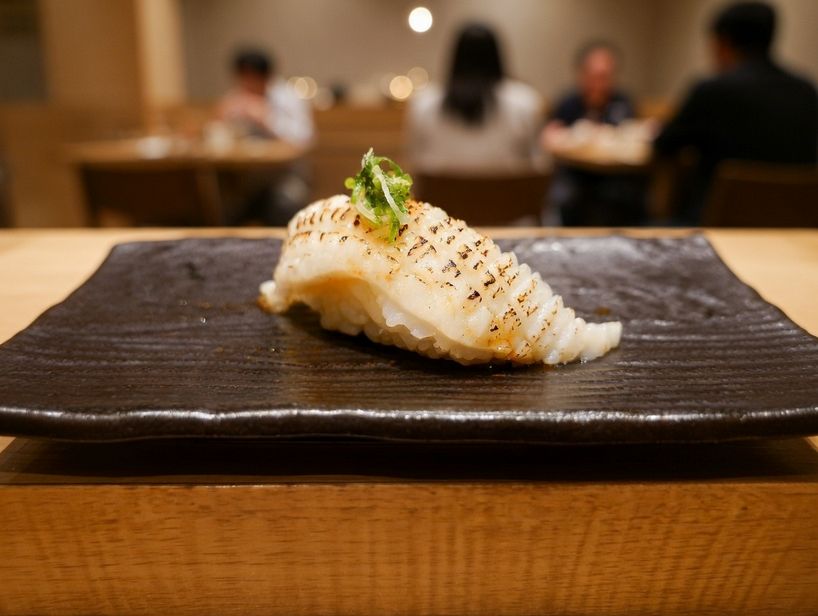
The raw sakura shrimp have a clean sweetness, with shredded apple underneath adding a crisp, fruity contrast to the seafood flavor. It makes a refreshing start to the meal. Raw sakura shrimp may give you a moment's pause if you haven't tried them before, but their texture is light, with no heavy sauce covering them up. They give the taste buds an early wake-up call.

● Red Sea Bream from Kyushu
A little pink salt lifts the sea bream's own delicate sweetness. Seasoning stays restrained, leaving the texture and freshness of the fish in focus. It looks simple, but this approach leaves nowhere to hide. Without a thick sauce to come to the rescue, you taste the knife work, temperature, and condition of the fish directly.
● Tuna from Donggang
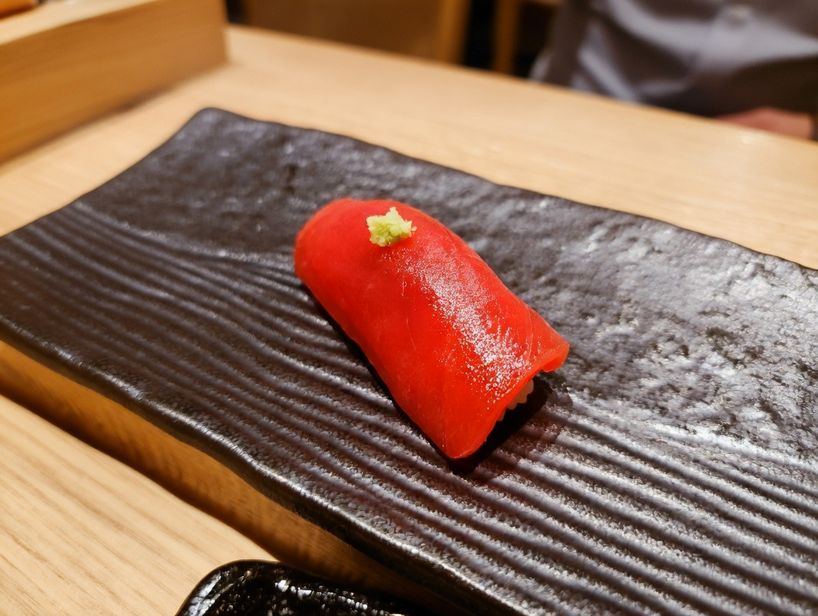
The tuna's fat is evenly distributed, giving it a smooth texture and a clean fish flavor that needs little embellishment, on the plate or in words. Among the early raw courses, it moves the texture toward something softer and more supple. A simple mouthful tells you how the ingredient is doing. At a moment like this, Uncle finds eating quietly more useful than forcing out adjectives.
● Tuna Yamakake
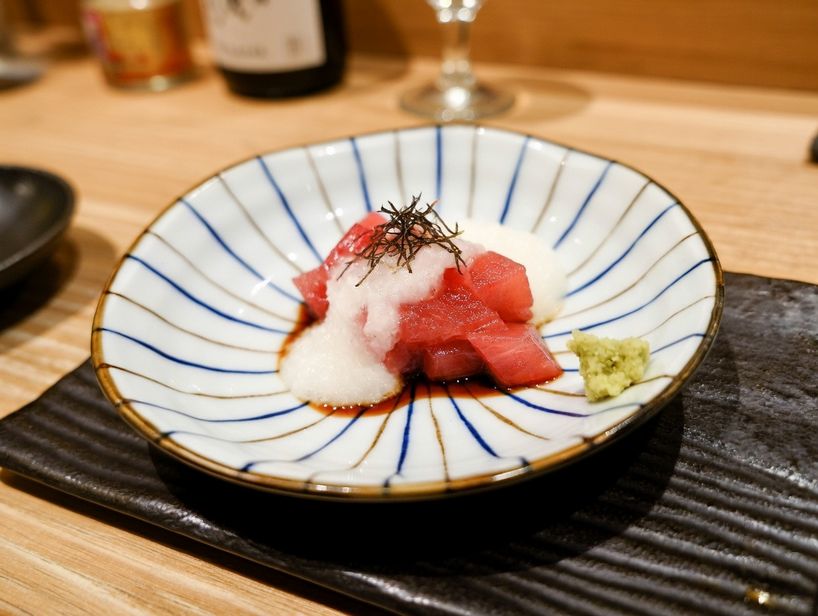
The sticky, slippery texture of yam wraps around the tuna. The appeal is the contrast in textures and how smoothly a bite goes down. If you enjoy that slippery feel, it is intriguing; if you don't, it may take some getting used to. Strong seasoning isn't the draw. It gives the omakase sequence another texture to explore.
● Fresh Hokkaido Scallop
The scallop has a substantial size and clear sweetness, staying light in character even with wakame and flower petals alongside. No unnecessary sauce competes with it. First comes tenderness, then a gradual natural sweetness from the sea. It is a course that reliably delivers a good ingredient straight to the palate.
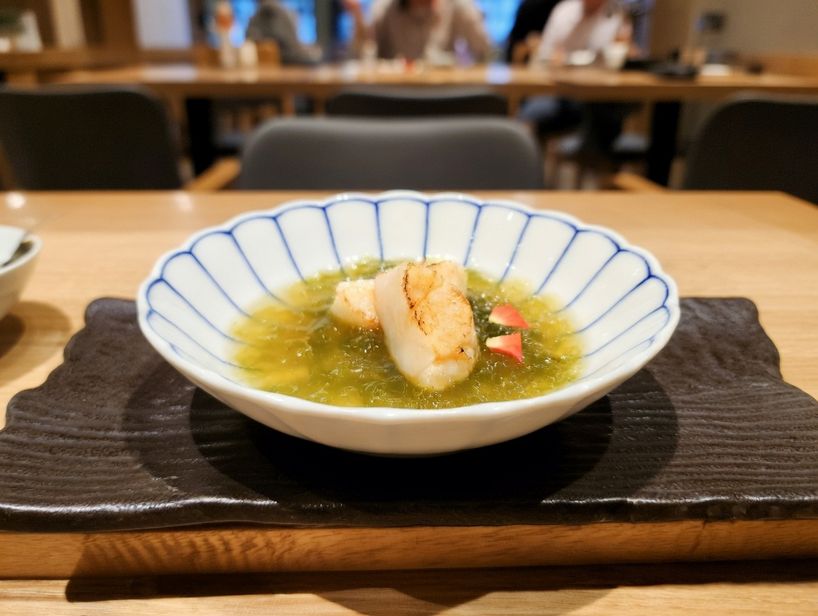
● Flounder Fin Meat
Rich in fat, the fin meat softens quickly in the mouth, with a more intense aroma than the earlier white-fish courses. It doesn't take a large portion to feel satisfying. Placed in the middle, it raises the flavor intensity just when it should. The richness is obvious without becoming so heavy that you lose interest in the courses to come.
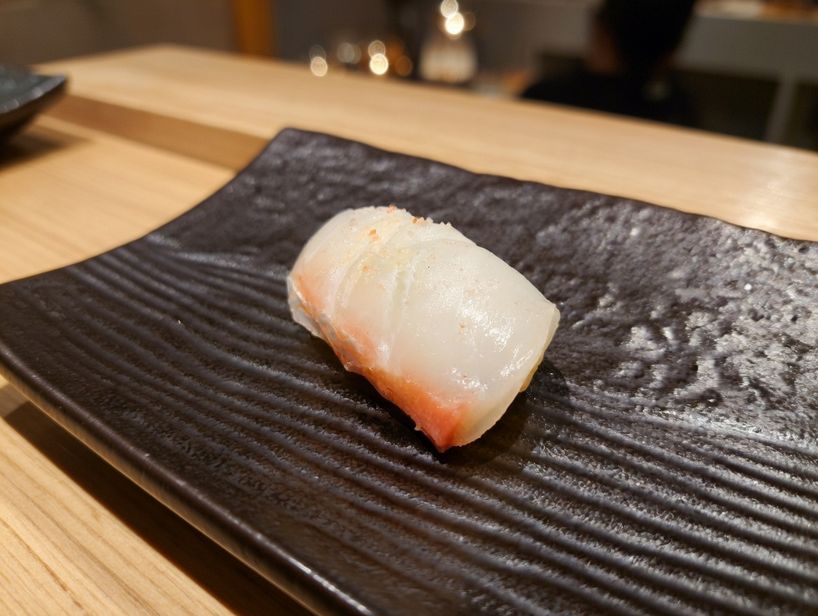
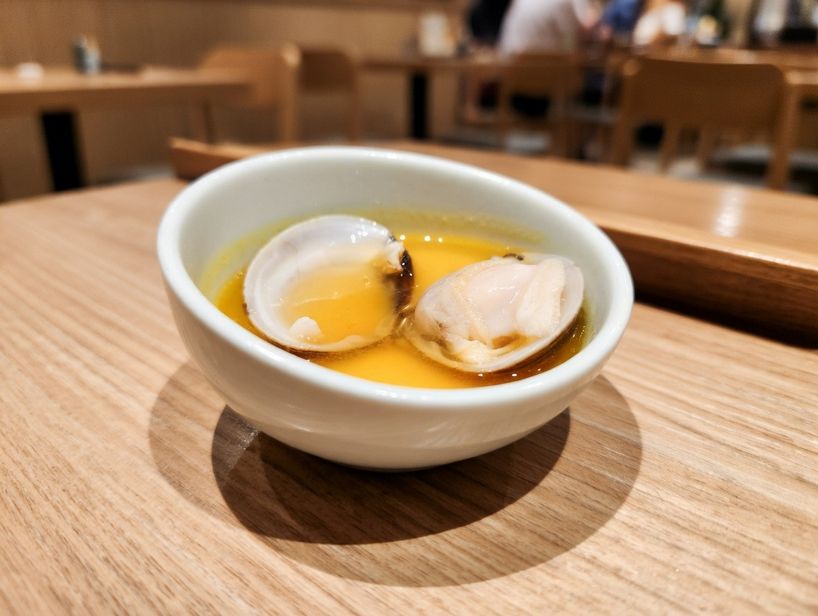
● Clam Steamed Egg Custard
The steamed egg custard is silky, with the clams' savory flavor infused into the egg and broth. It creates a pause between the raw dishes and the richer later courses. Warm and comforting to the stomach, it doesn't rush to steal the show, giving the palate a brief rest before moving on. Transitions like this show how an omakase meal finds its rhythm.

● Grilled Prawn with Sea Urchin Sauce
Grilling concentrates the prawn's sweetness, while sea urchin sauce adds a deeper savory layer. The textures move from springy, tender prawn to smooth sauce. Combining these seafood flavors can easily become too much, but the balance this time still let the prawn speak for itself. Eat it hot; don't leave it waiting at the counter until it loses heart—and heat.
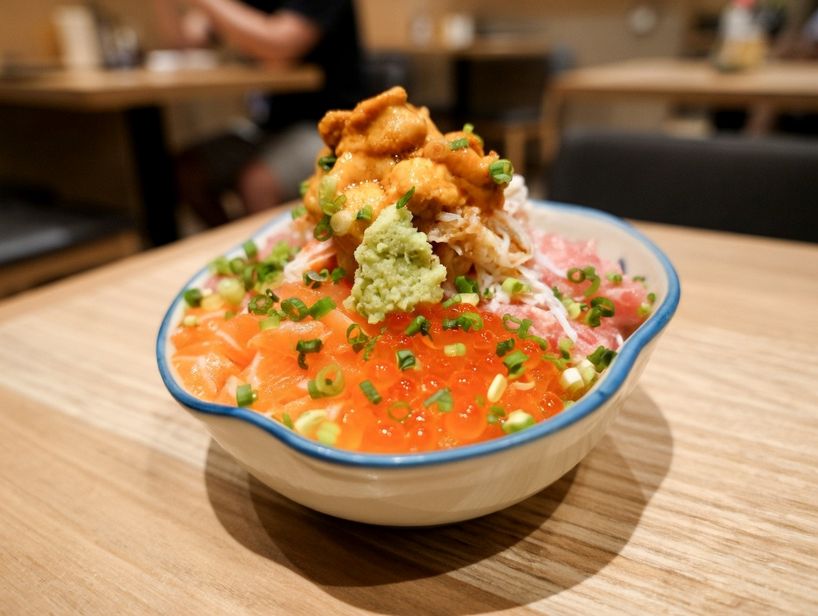
● Sea Urchin Rice Bowl
Sea urchin, crabmeat, and salmon are piled onto rice. Stir them together and the savory flavors, fats, and rice arrive in one satisfying rush: the high point of the meal. The earlier courses hold things in reserve, and only here does the richness open up fully. Every mouthful tastes of the sea, but the lead-in makes sense of it. This isn't a bowl of luxurious toppings suddenly dropped in to overwhelm you.

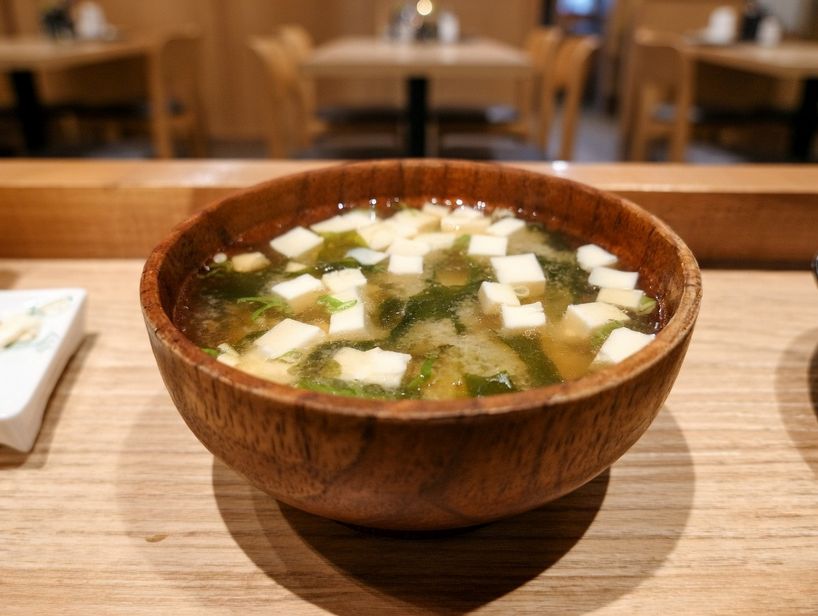
● Miso Soup
Warm, savory miso soup closes the meal in a role that is simple but necessary. After the raw fish, rich fats, and sea urchin, a few sips of hot soup give both stomach and palate a soft landing. There is no need for another trick to grab the last word.
The omakase changes with seasons and deliveries, so this visit's dishes won't necessarily appear every time. Reserve ahead, arrive on time, and give advance notice of allergies or avoiding raw food. Once you are at the counter, leaving the pacing to the chef is more relaxing than repeatedly asking what comes next.
- Location:台北市內湖區成功路四段61巷25弄13號, about a 7-minute walk from Exit 2 of Neihu.
- Type:Reservation-based counter sushi and omakase Japanese dining.
- Features:A small counter for roughly eight to ten guests, with a progression from light to rich guided by the day's ingredients.
- Reminder:Prices, sittings, course counts, and booking methods may change. Refer to the restaurant's latest announcements.
📌 The Visit in Perspective
Ren Sushi's strength is its steadiness. The raw courses let sakura shrimp, sea bream, tuna, and scallop speak for themselves; flounder and steamed egg custard carry the middle of the meal; grilled prawn and the Sea Urchin Rice Bowl raise the savory intensity before miso soup brings it to a close. Seats are few, reservations are needed, and it isn't a meal to squeeze between other plans. If you want omakase that keeps creativity under control and lets you comfortably follow the chef at an unhurried pace, it belongs on your list.