THE METHOD
Fry first, then cook in broth
The fried flavor remains as the coating takes up soup.
TAIWAN, ONE DISH AT A TIME
Fried aroma becomes a softer kind of comfort.
The intriguing part of pai gu su tang is what happens to its crisp coating after it meets soup. Marinated, coated pork pieces are fried, then steamed or simmered with broth. The outside absorbs liquid and softens while the fried aroma remains. It is a transformation, not simply a freshly fried pork chop dropped beside a bowl.
At Taiwanese snack shops and night markets, the soup can accompany rice, dry noodles, or another staple. Radish, taro, or other additions may join the pork, with pepper, garlic, and other aromas depending on the shop. Expect flavor from frying, not a coating that stays crisp indefinitely. The meat, broth, and softened surface are the main attractions.
9 places to explore • DISHES & PLACES
 Dish photo unavailable
THE METHOD
The fried flavor remains as the coating takes up soup.
THE MEAT
Cuts differ, so do not assume every piece is boneless.
THE ADDITIONS
Radish or other additions carry broth and give another texture.
THE GUIDE MEETS THE TABLE
Choose an MRT area or station, then open a shop page for the actual dish and directions.
Station codes and line colors match the selected MRT area.
9 shops in this selection
Dish photo unavailable
R10Taipei Main · 台北車站Taipei / New Taipei / Tamsui-Xinyi Line
排骨酥清湯
福珍排骨酥麵
Fu Zhen Pork Rib Soup
Sweet radish brings out the fried pork's aroma in a refreshing broth. The ribs are firmer, with meat and soup retaining their own presence.
See this dish at the shop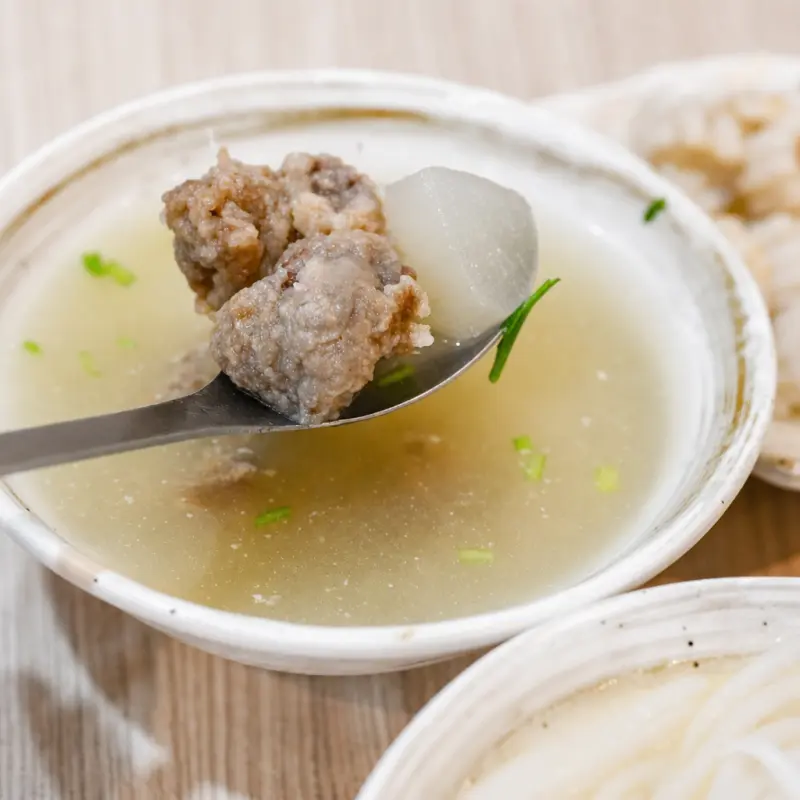 Dish photo unavailable
G02Xindian District Office · 新店區公所Taipei / New Taipei / Songshan-Xindian Line
紅糟排骨酥湯
七張米粉湯
Qi Zhang Rice Noodle Soup
A refreshing, sweet broth gains body as the ribs' fried coating and meat flavor gradually blend into the hot soup.
See this dish at the shop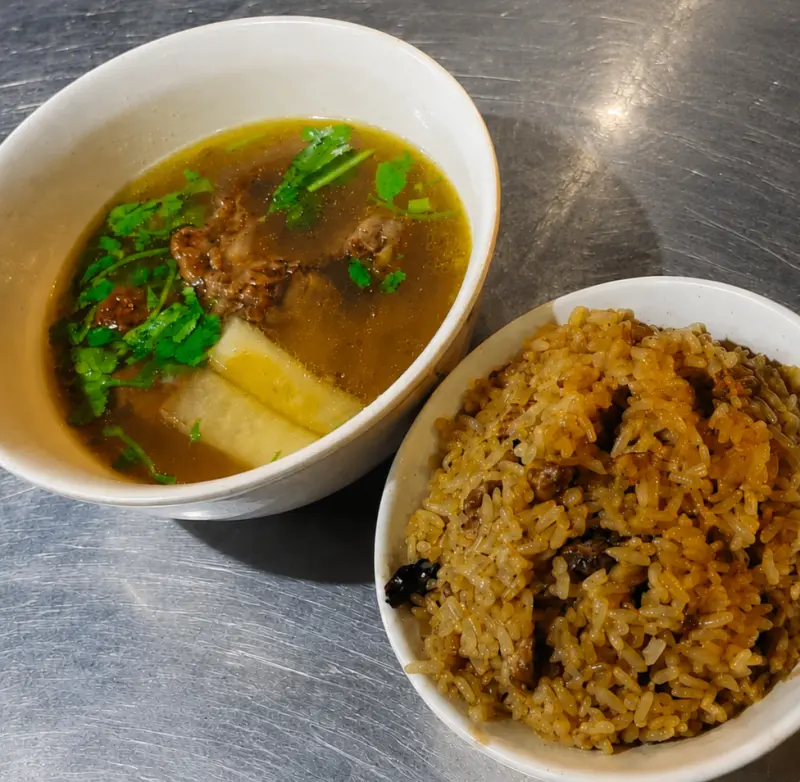 Dish photo unavailable
BL06Fuzhong · 府中Taipei / New Taipei / Bannan Line
排骨酥湯
懷念排骨酥湯
Huai Nian Pai Gu Su Tang
There is a generous amount of pork rib, with meat tender enough to bite easily. The broth is rich and oily, while winter melon sweetness and pepper add more layers. The broth portion is not especially large and there is plenty of cilantro, making it a better fit for people who enjoy richer soups.
See this dish at the shop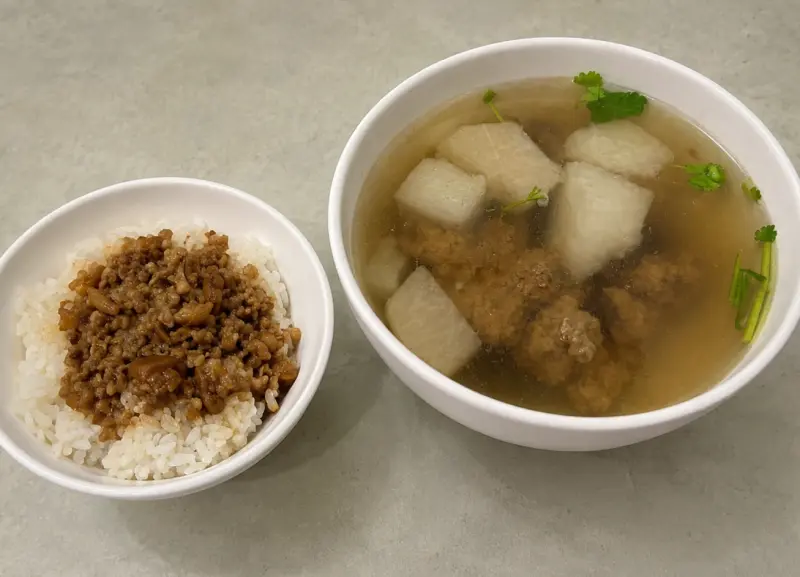 Dish photo unavailable
Y17Xinpu Minsheng · 新埔民生Taipei / New Taipei / Circular Line
草菇排骨酥湯
阿益魯肉飯
A Yi Lu Rou Fan
Straw mushrooms, crispy pork ribs, and daikon fill the soup. Mushrooms release abundant moisture, daikon adds clear sweetness, and ribs are not hard. This light, old-fashioned broth alternates well with savory braised-pork rice.
See this dish at the shop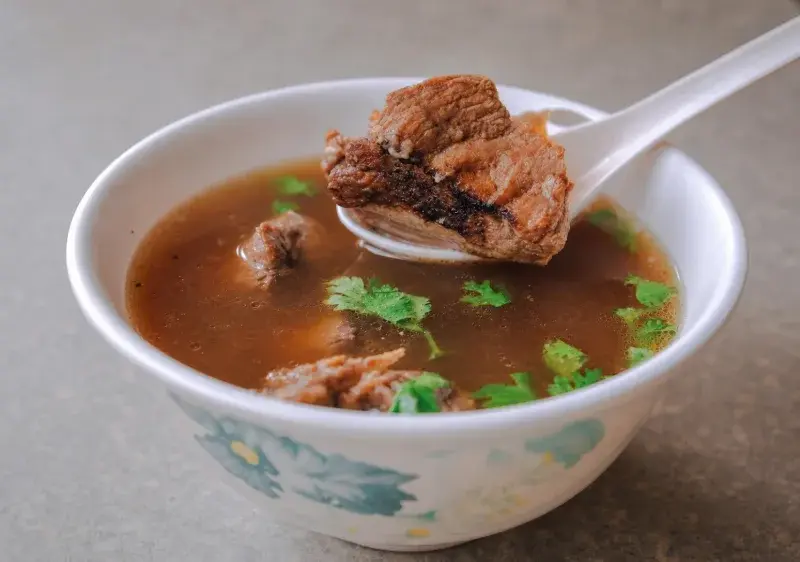 Dish photo unavailable
BL10Longshan Temple · 龍山寺Taipei / New Taipei / Bannan Line
排骨酥湯
阿萬油飯
A Wan You Fan
Large rib pieces are relatively lean and finely textured, with only a light coating. After frying and simmering they absorb the broth but still taste like the original meat. Soft winter melon sits in a rich yet gently sweet broth whose dark color does not mean excessive saltiness. Cilantro adds freshness; a little pepper can sharpen the rib aroma.
See this dish at the shop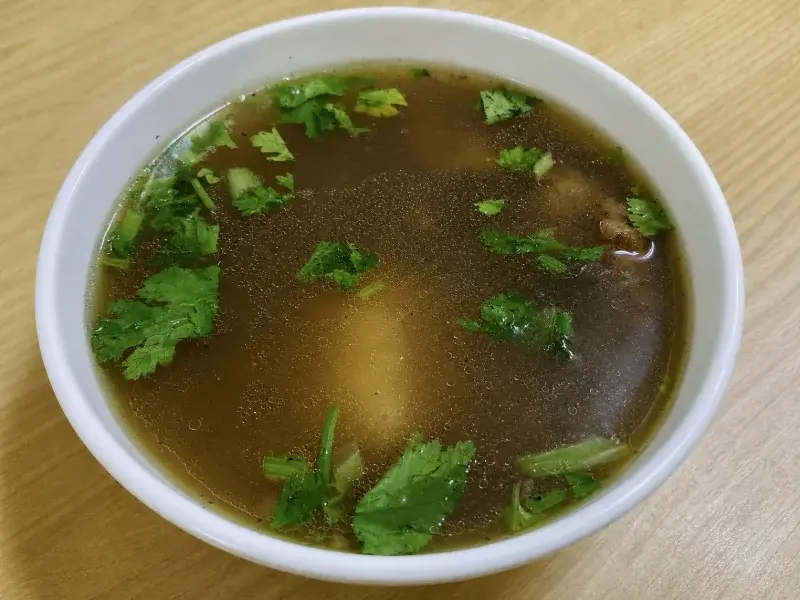 Dish photo unavailable
BR07Liuzhangli · 六張犁Taipei / New Taipei / Wenhu Line
芋頭排骨酥湯
盛記脆皮臭豆腐
Sheng Ji Crispy Stinky Tofu
Large taro pieces are stewed until they nearly dissolve. Fried pork ribs bring meat aroma to clear soup, some oil adds body, and cilantro adds freshness. It suits fans of powdery taro and fuller soup.
See this dish at the shopMenus and availability may change. Check with the shop before visiting.
A FEW WORDS GO A LONG WAY
Start with the menu and portion size. The Chinese phrases below can help you ask; choices and adjustments depend on the shop.
這裡排骨酥湯裡有哪些配料?
What ingredients come with the pork ribs in your soup?
排骨酥有骨頭嗎?
Do the fried pork pieces contain bones? Take care with small bones and hot broth.
可以配飯或乾麵嗎?
Can I order rice or dry noodles with it?
FIND YOUR FLAVOR
Compare the preparation, texture, and serving style to decide what you would enjoy.
Fried pork rib soup and clear-simmered rib soup
The fried version adds a browned aroma and a coating that absorbs broth. A clear-simmered version approaches pork soup differently.
Fried seasoning or a different stock-led flavor.
Pork rib soup and pork chop rice
The soup centers on smaller meat pieces and broth. Pork chop rice commonly serves a main piece with rice and sides.
A soup alongside food or a complete rice set.
GO A LITTLE DEEPER
Frying creates the first layer of flavor; cooking in soup changes the texture again. Marinade, browned coating, and broth come together, so the outside no longer exists only to be crisp. Understanding that shift makes a softened coating part of the appeal.
Piece size, coating thickness, and time in the broth all matter. Some pieces keep more distinct meat fibers, while others become very tender and absorb more liquid. Rest a piece on your spoon and separate meat from bone slowly to appreciate the layers.
Radish can add softness and a gently sweet impression; taro may bring a more floury, substantial texture. They are not necessarily served together. Look at the shop’s version and compare both the broth and its additions.
With meat already in the soup, a simple staple can complete the meal. If sampling other snacks, sharing a bowl may be enough. Taste the broth before adding pepper or other seasoning so the original flavor remains clear.
Yes. Cooking in broth lets the outside absorb liquid and soften. This differs from eating a freshly fried pork piece on its own.
No. Radish, taro, or other additions depend on the version.
The emphasis is different. Pai gu su tang typically fries the meat before it goes into soup, while herbal pork rib soup commonly centers on a herb-scented broth. Read the menu description.
KEEP EXPLORING
Compare another Taiwan flavor, or return to the MRT food finder.