✨ An editor’s personal take
富錦樹台菜香檳 feels like Taiwanese cuisine dressed in a beautifully tailored coat. The familiar flavors remain at its heart, now joined by careful attention to light, aroma and pace. The greatest charm is not just how good the food tastes, but how each dish seems thoughtfully refined: cleaner in its expression and more memorable.


Tucked into the lanes of Minsheng, 富錦樹台菜香檳 敦北店 (Fujin Tree Taiwanese Cuisine & Champagne — Dunbei) hardly looks like a Taiwanese restaurant at first glance. Greenery wraps around the white building, suggesting a woodland café or a private retreat where time moves slowly. Once inside, its relaxed refinement makes me even more curious about the Taiwanese flavors about to arrive.
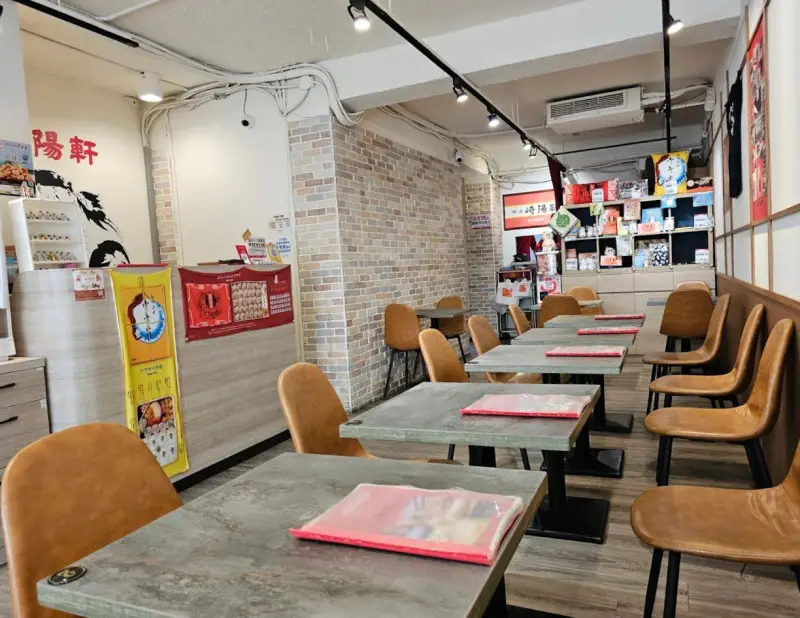
The open kitchen removes some of the distance associated with traditional Chinese restaurants. Light, tableware, empty space on the tables and even the timing of each dish feel carefully considered. This is not a boisterous, hearty Taiwanese dining hall; familiar flavors are presented in a setting that is more stylish and spare.
● Chicken Soup with Hokkaido Scallops and Bamboo Fungus
This pot of chicken soup may be the dish that quiets the whole table. The milky broth has the rich, gelatinous body that comes from long simmering, without becoming heavy or sticky. It is silky, smooth and deeply sweet on the palate. Scallop savoriness and the tender chew of bamboo fungus weave through it, so each mouthful unfolds in layers rather than simply tasting rich. The chicken is so soft it loosens at a touch of the chopsticks, yet has none of the tired flavor sometimes found in long-cooked soup. It is beautifully clean.
● Poached Chicken with Signature Sauce
One bite makes it clear why this is a signature. The chicken is so fresh and tender it almost gleams, with a fine jelly-like layer between skin and meat. It is smooth and springy, never mushy. The little dish of signature sauce is equally impressive: strong on garlic, gentle on heat, with a little kick that highlights rather than masks the chicken’s sweetness. This is more than good ingredients doing all the work; seasoning and cooking are equally well judged.
● Pork Braised with Candied Dates
If you expect a traditionally salty braised pork dish, the first bite may surprise you. Its sweetness is not a blunt hit of sugar, but a fruity note from candied dates and roselle, gently wrapped around the aroma of Huadiao wine for a more mature flavor. Excess fat has been carefully trimmed from the pork belly. It is soft without being greasy, with a pleasing balance of fat and lean, finding a point between richness and elegance.
● Fresh Oysters with Garlic Sauce and Fried Dough Sticks
It is tempting the moment it reaches the table. The oysters are plump and almost bursting with moisture, without any muddy or fishy notes. The garlic sauce pushes their savoriness forward with a full, salty fragrance. The clever part is the fried dough: once it soaks up the sauce, it brings more than extra texture, adding crispness and lightness to the soft, plump oysters. That is the pleasure of Taiwanese dishes like this—you know the flavors will be bold, yet still cannot resist a couple more bites of rice.
● Chive Bud and Minced Meat Stir-fry with Century Egg
A classic rice companion, given a more delicate treatment at 富錦樹台菜香檳. The chive buds keep their crunch, fermented black beans lead with their salty aroma, and minced meat supplies richness. The century egg takes a supporting role, quietly adding a rounded, fermented note toward the finish. There is no attempt to show off, yet it is easy to alternate rice and vegetables until you have eaten rather a lot.
● Crisp-skinned Tender Tofu
The outside is beautifully handled, like a thin, crisp jacket that has absorbed the sauce. Bite through it and the tofu is so tender it offers almost no resistance. The contrast is enticing and calls for precise heat control. The sauce is reduced just enough, clearly savory without covering the tofu’s softness and egg aroma. This sort of dish can easily be handled roughly, but the version here is delicate.
● Steam-roasted Sea Fish
The flesh is delicate and richly fatty, almost slipping onto the palate. A little charred crispness on the skin keeps the texture from being uniformly soft. The chef has thoughtfully portioned it in advance, making it much easier to eat without an exhausting battle with fish bones. It has a quiet sophistication: little seasoning is needed for the ingredient to carry the dish.
● Mullet Roe Fried Rice
It may look understated, but it is a dish you can happily keep eating. The grains are separate, the wok aroma comes through, and nothing is wet or sticky. The mullet roe does not announce itself loudly; cut into small pieces, it spreads its salty savoriness through every bite. Quiet but steady, this fried rice is not trying to steal the show. It gives the table a dependable anchor midway through the meal.
- Seasoning is more focused and layered than in traditional Taiwanese cooking
- Signature dishes are well executed, with the chicken soup and poached chicken especially memorable
- The setting feels less like a typical Chinese restaurant and more like a carefully designed place to gather
- A group can enjoy a fuller range of the dishes
On a first visit, a group set menu is a good place to start: try the signatures, then add more according to your preferences. Some dishes are wonderful with rice, while others reward taking time over the sauce and the cooking. Find the right pace and the whole meal comes together more beautifully.
📌 A final taste
What 富錦樹台菜香檳 does best goes beyond cooking Taiwanese food well. It makes the way that food looks, tastes and stays in your memory feel a little more contemporary. The garlic, sauces, wok aromas and broths are still recognizably Taiwanese, simply refined with greater care. They suit an evening when you want to eat well, spend time together and enjoy it all slowly.